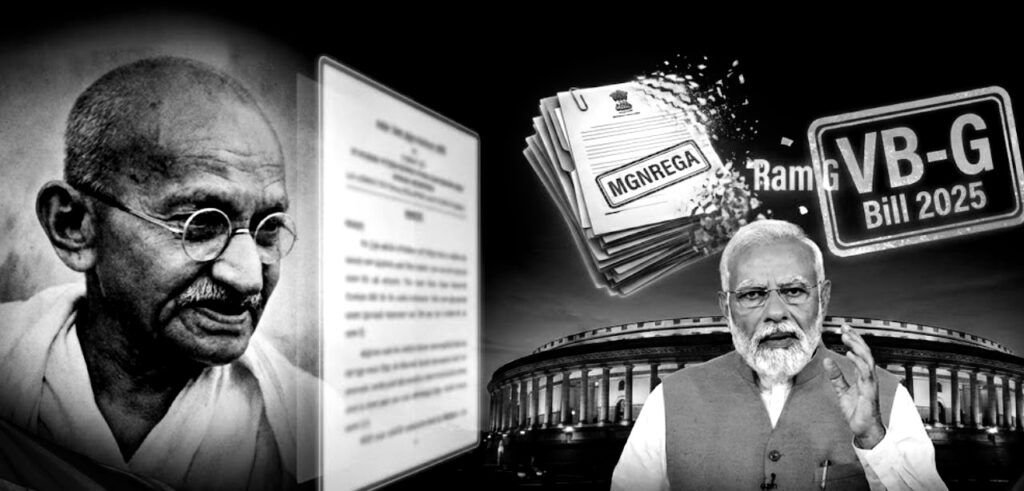
The Congress party is set to launch a nationwide agitation, the “MGNREGA Bachao Abhiyan,” starting January 5, 2026. This movement follows the recent repeal of the 2005 MGNREGA Act, which the government has replaced with the Viksit Bharat-Guarantee for Rozgar and Ajeevika Mission (VB-G RAM G) Act, 2025.
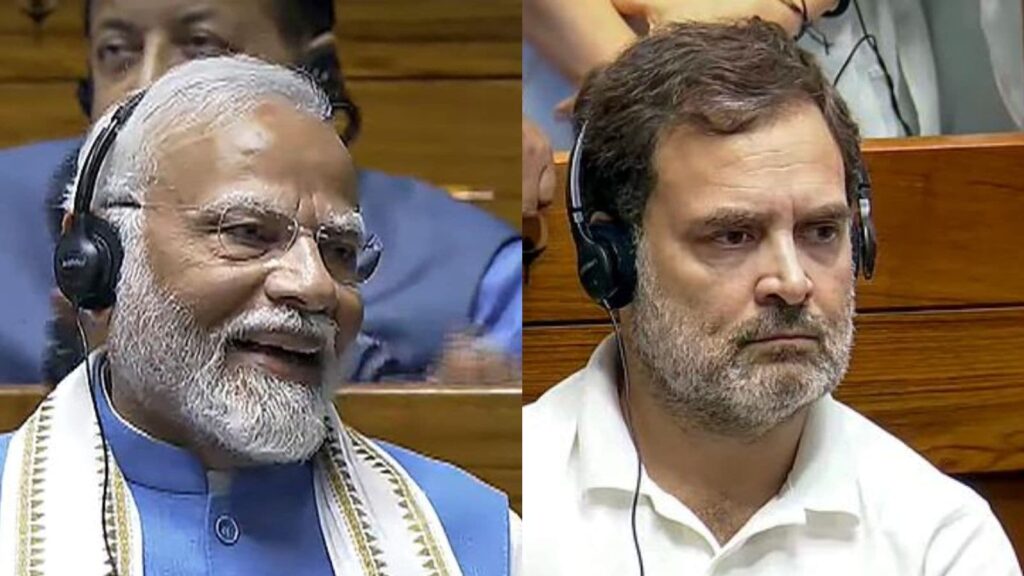
The Congress Working Committee (CWC) has unanimously resolved to protest what they call the “cruel dismantling” of a constitutional right to work. Led by Mallikarjun Kharge and Rahul Gandhi, the party plans to hold rallies, sit-ins, and door-to-door campaigns across the country. They argue that removing Mahatma Gandhi’s name from the scheme is an insult to his legacy and a direct attack on the rural poor.
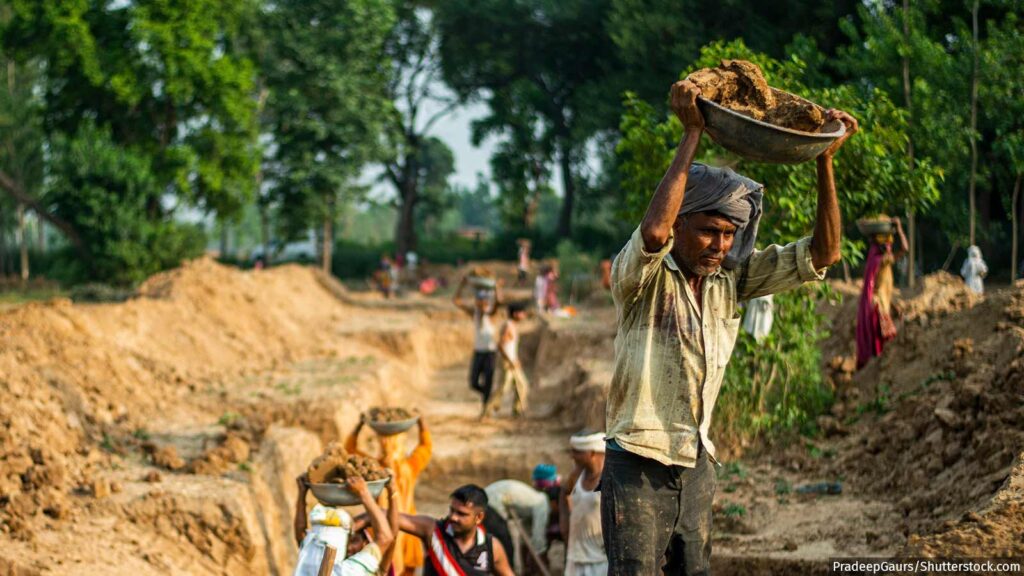
Congress leaders claim the new VB-G RAM G Act undermines the “demand-driven” nature of the original scheme, turning a legal right into a government “dole.” A major point of contention is the new funding structure, which reportedly shifts 40% of the financial burden to state governments. Rahul Gandhi has compared the move to “demonetization,” alleging it was a unilateral decision taken by the PMO without consulting the Cabinet or the states.
Union Minister Shivraj Singh Chouhan and other BJP leaders have dismissed the protests as “purely political,” calling the new law “the future” of rural development. The government emphasizes that the new Act actually increases the guaranteed work days from 100 to 125 days. They argue the mission is designed to align rural labor with the “Viksit Bharat 2047” vision by focusing on durable assets like water security and climate-resilient infrastructure
Under the new VB-G RAM G framework, employment is integrated with four priority “verticals,” including water security and extreme weather mitigation. However, critics point out that the law allows for work to be “paused” for 60 days during peak agricultural seasons, which they fear may benefit wealthy landowners by ensuring cheap labor for sowing and harvesting